Hospitality terrace trends for 2026: fluidity, comfort and refined experience
1. Indoor–outdoor continuity
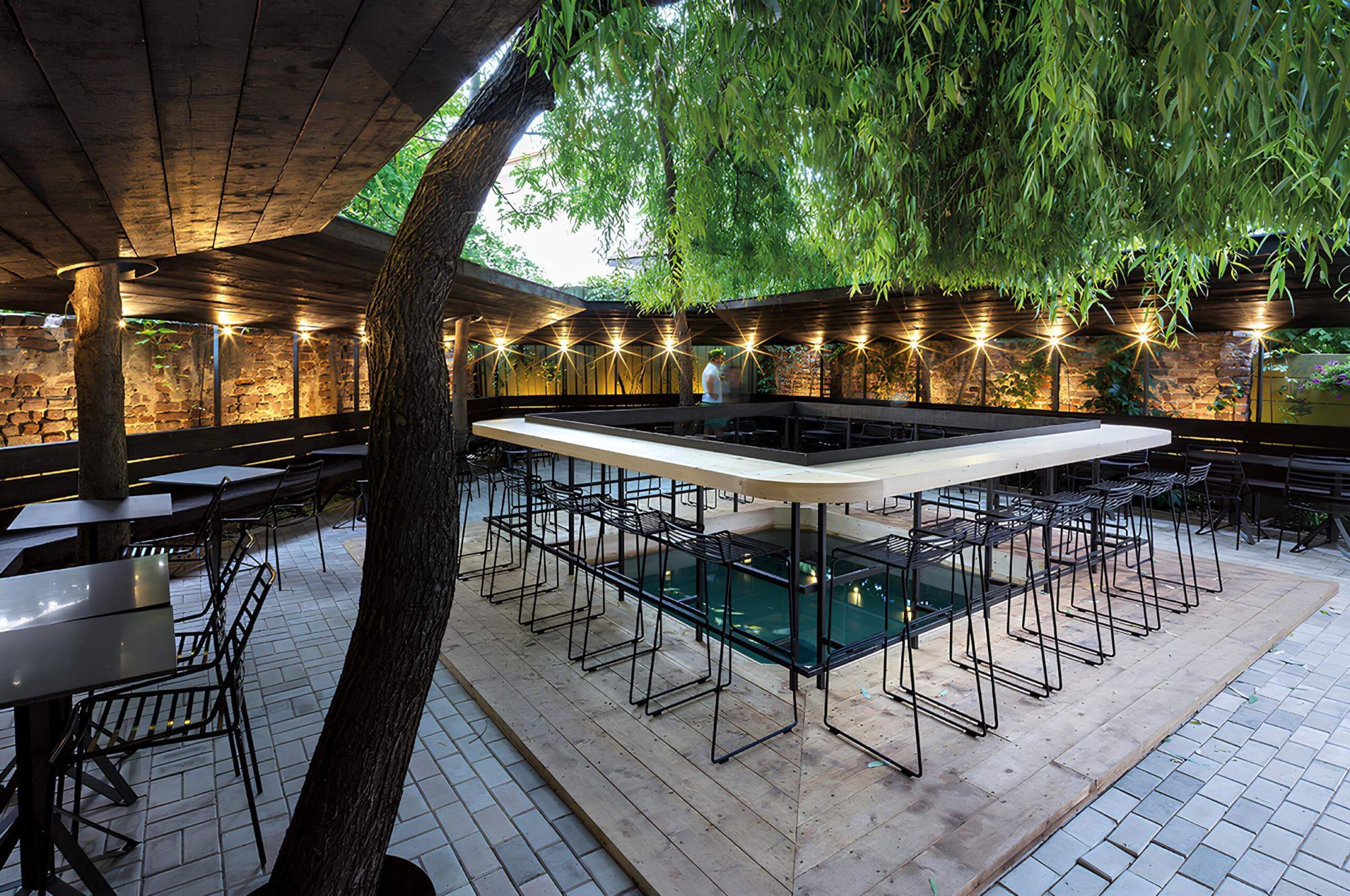
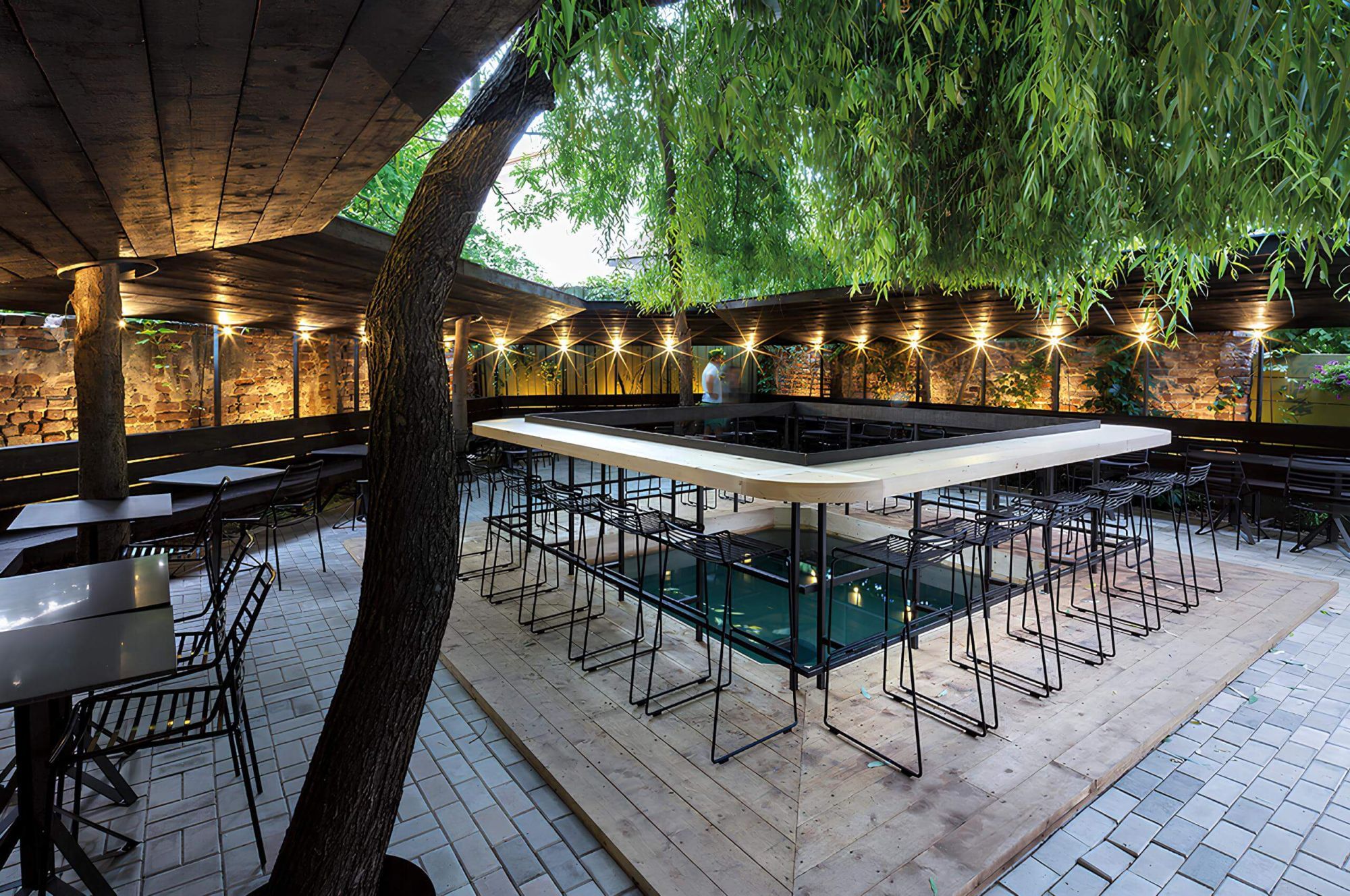
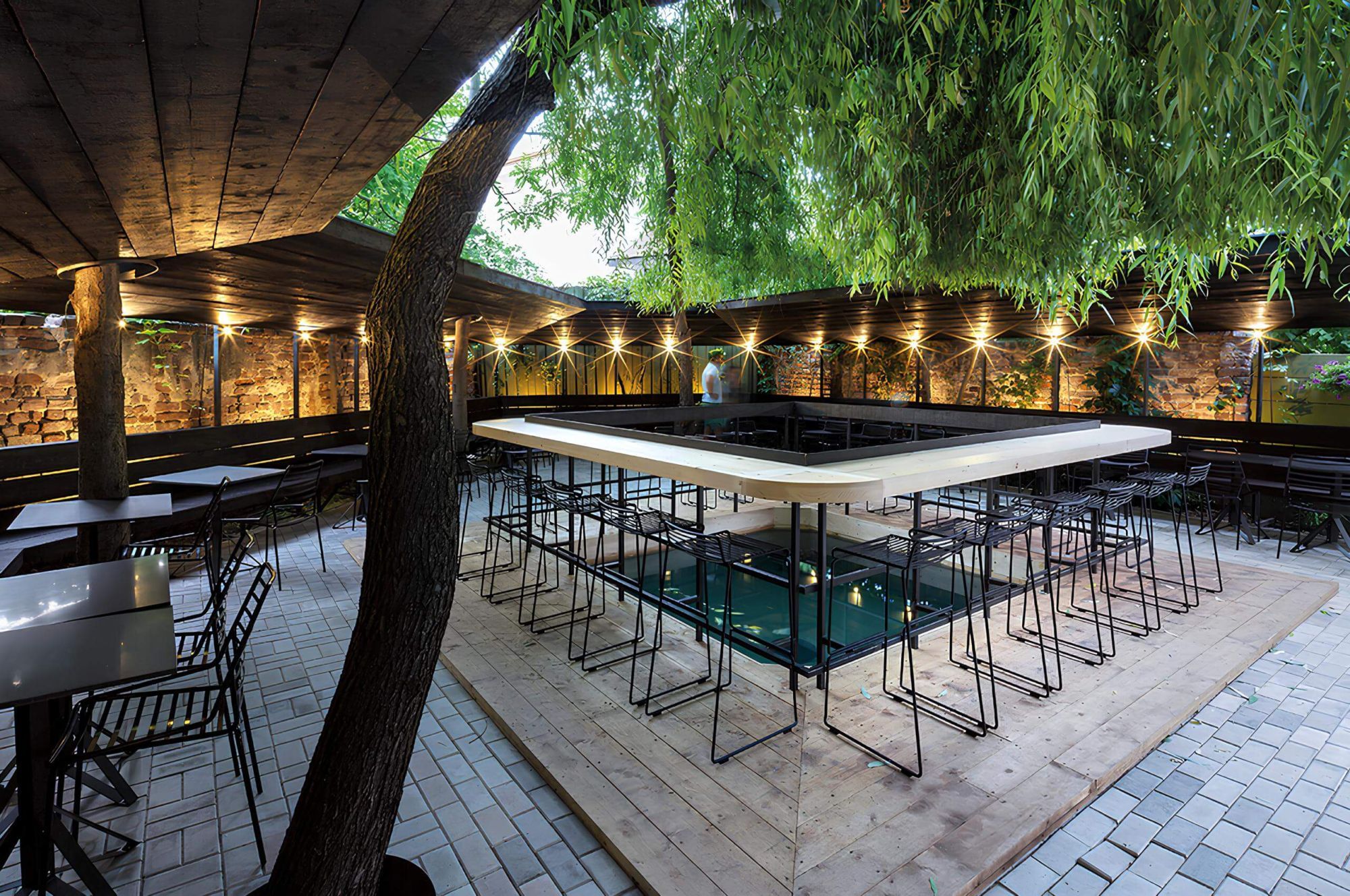
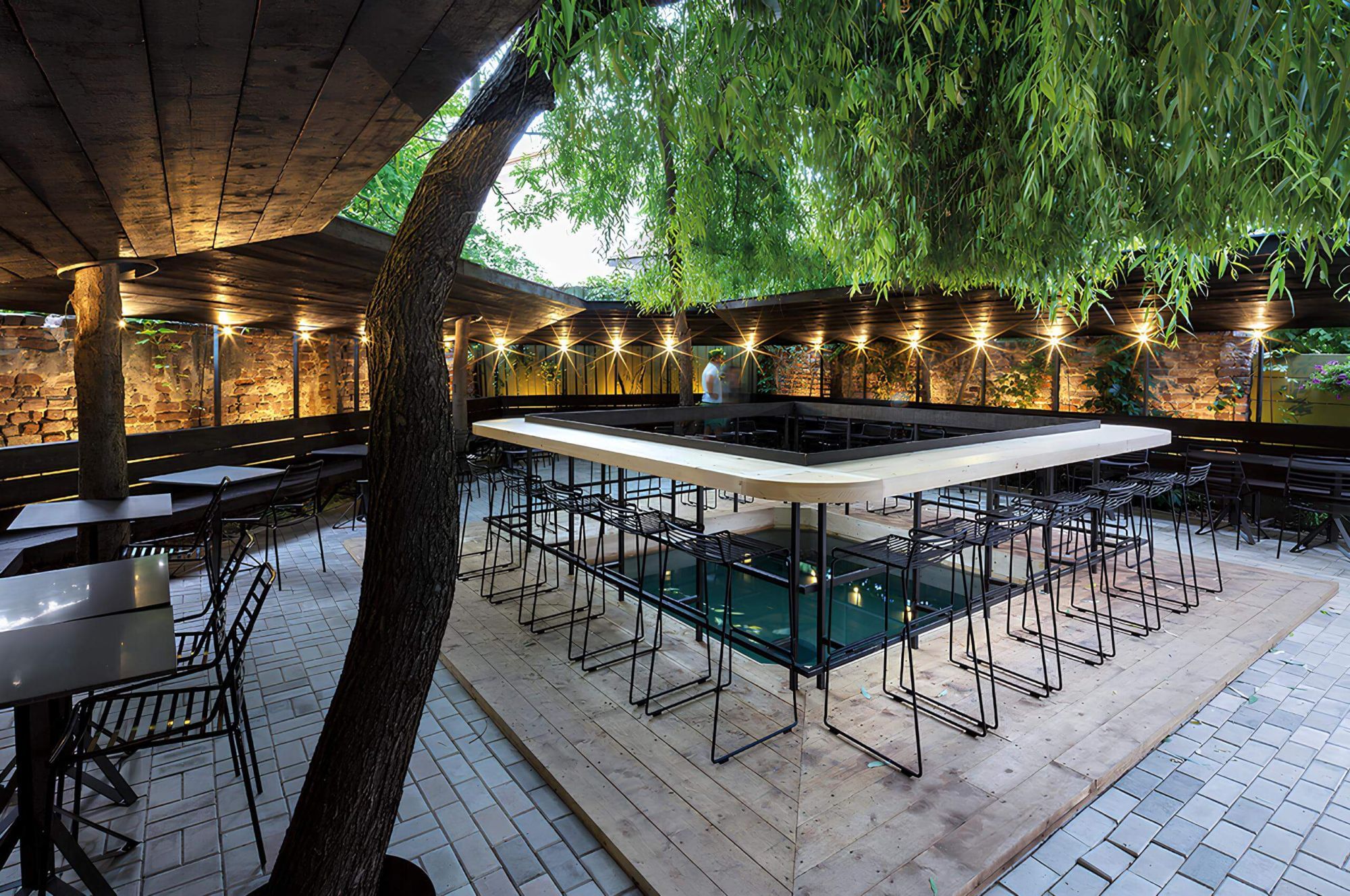
The boundary between indoors and outdoors continues to fade. In 2026, terraces are no longer treated as separate spaces, but as natural extensions of the interior. Consistent materials, colours, and furniture styles create a seamless visual flow. At the same time, functionality plays a key role. Retractable awnings, glass enclosures, and adaptable layouts allow terraces to be used comfortably throughout the day and across seasons. The result is a cohesive environment that strengthens the identity of the venue while enhancing guest comfort.

2. A refined Mediterranean atmosphere
The Mediterranean influence remains, but evolves into a more refined and layered aesthetic. Rather than relying solely on rattan and neutral tones, the focus shifts towards a balanced mix of textures and materials. Natural fibres, warm woods, and light textiles are complemented by more contemporary elements such as metal or polypropylene, creating a relaxed yet curated look. Subtle references to the sea, sunlight, and slow living contribute to an atmosphere that feels calm, welcoming, and effortless.

3. Natural and organic textures
Organic shapes and tactile materials continue to define terrace design. Curved silhouettes, soft lines, and nature-inspired forms create a more inviting and human-centered environment. Materials such as rope, woven fabrics, and perforated surfaces are combined with clean metal structures, striking a balance between warmth and structure. This interplay adds depth to the space while maintaining a light and contemporary feel.

4. Intentional use of colour
Colour is no longer used as a simple accent, but as a deliberate design tool. In 2026, terraces embrace cohesive colour palettes that enhance the overall atmosphere. Warm earthy tones, deep greens, and nuanced blues are often paired with softer neutrals to create balance. Statement pieces in bolder shades can still define a space, but always within a controlled and harmonious composition.

5. Sustainability as a standard
Sustainability is no longer a differentiator, but an expectation. Materials are chosen not only for their aesthetic qualities, but also for their durability and environmental impact. Recycled and responsibly sourced materials, long-lasting finishes, and timeless designs ensure that furniture remains relevant over time. The focus is on creating spaces that are both visually appealing and built to last.

6. Relaxed seating and extended comfort
Terraces are increasingly designed as spaces where guests can spend extended periods of time. Lounge seating, generous chairs, and relaxed configurations encourage a more informal and comfortable experience. This shift reflects a broader change in hospitality: guests are not just visiting, but staying, working, and socializing.

Comfort, therefore, becomes essential in shaping a positive and memorable experience. Many hospitality venues have redefined their outdoor spaces in recent years. What remains clear is that terraces continue to play a central role in the overall guest experience. Outdoor spaces are no longer secondary, but an integral part of the concept. Would you like to elevate your terrace for 2026? We’re here to help you create a space that aligns with your vision — from selecting the right furniture to shaping a cohesive and functional design.