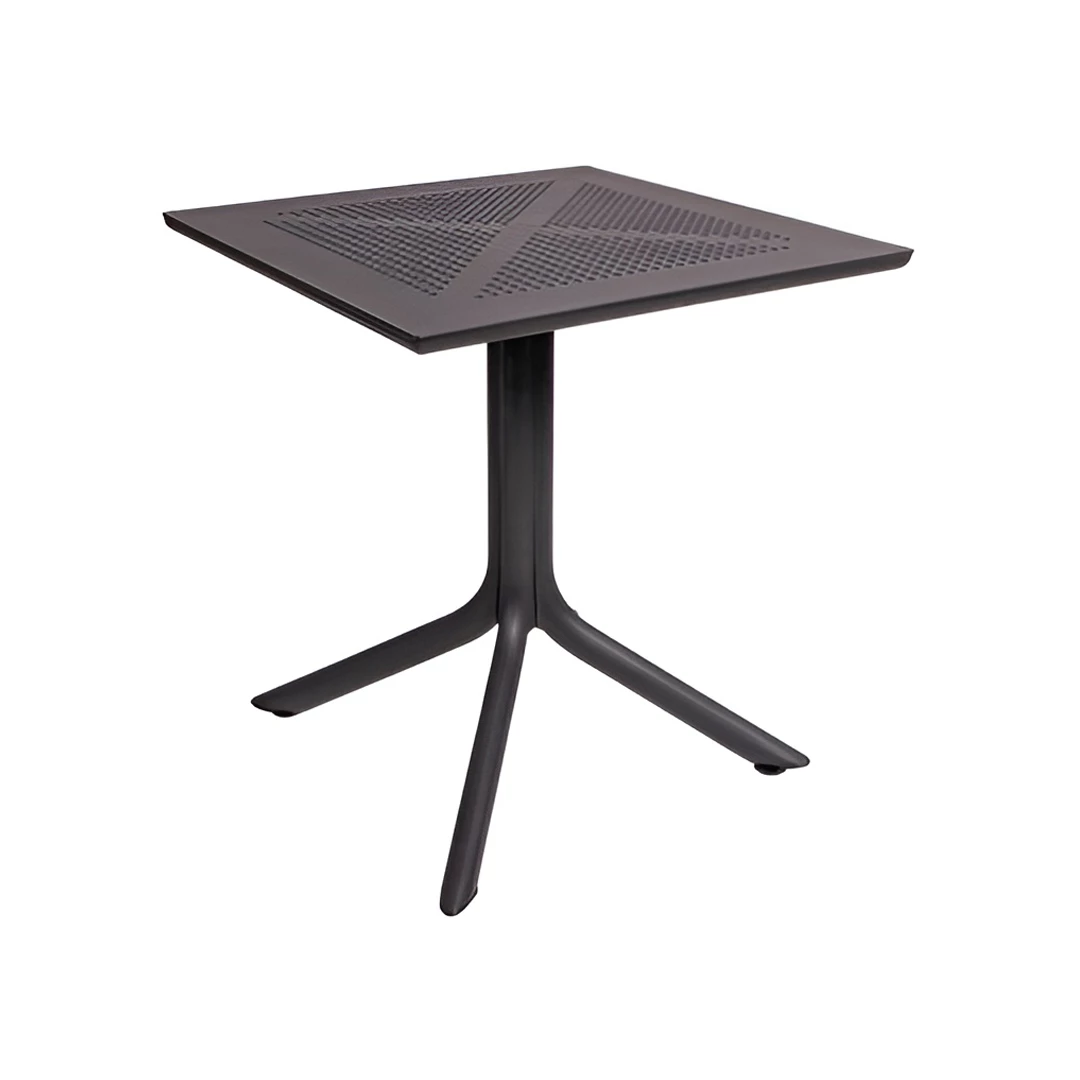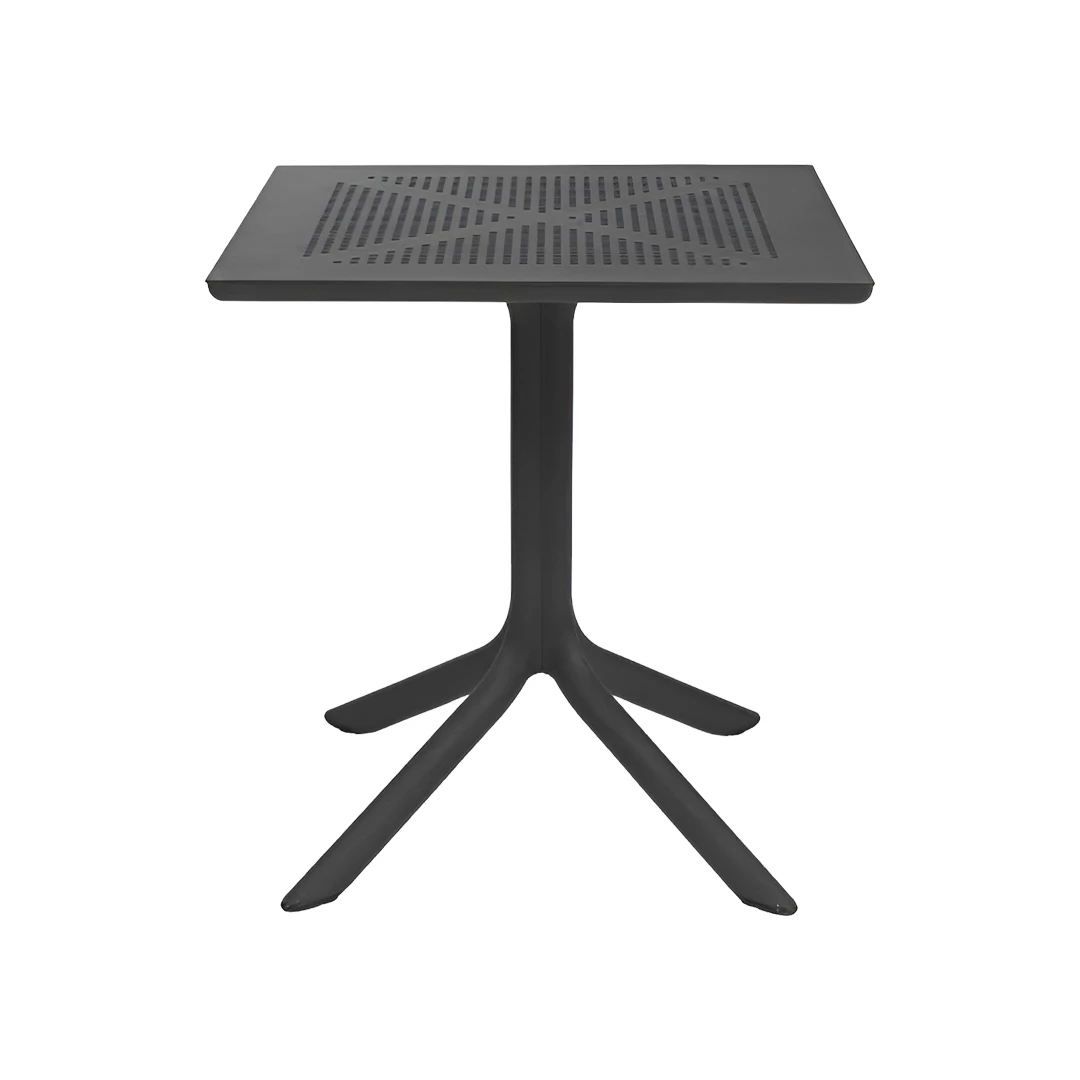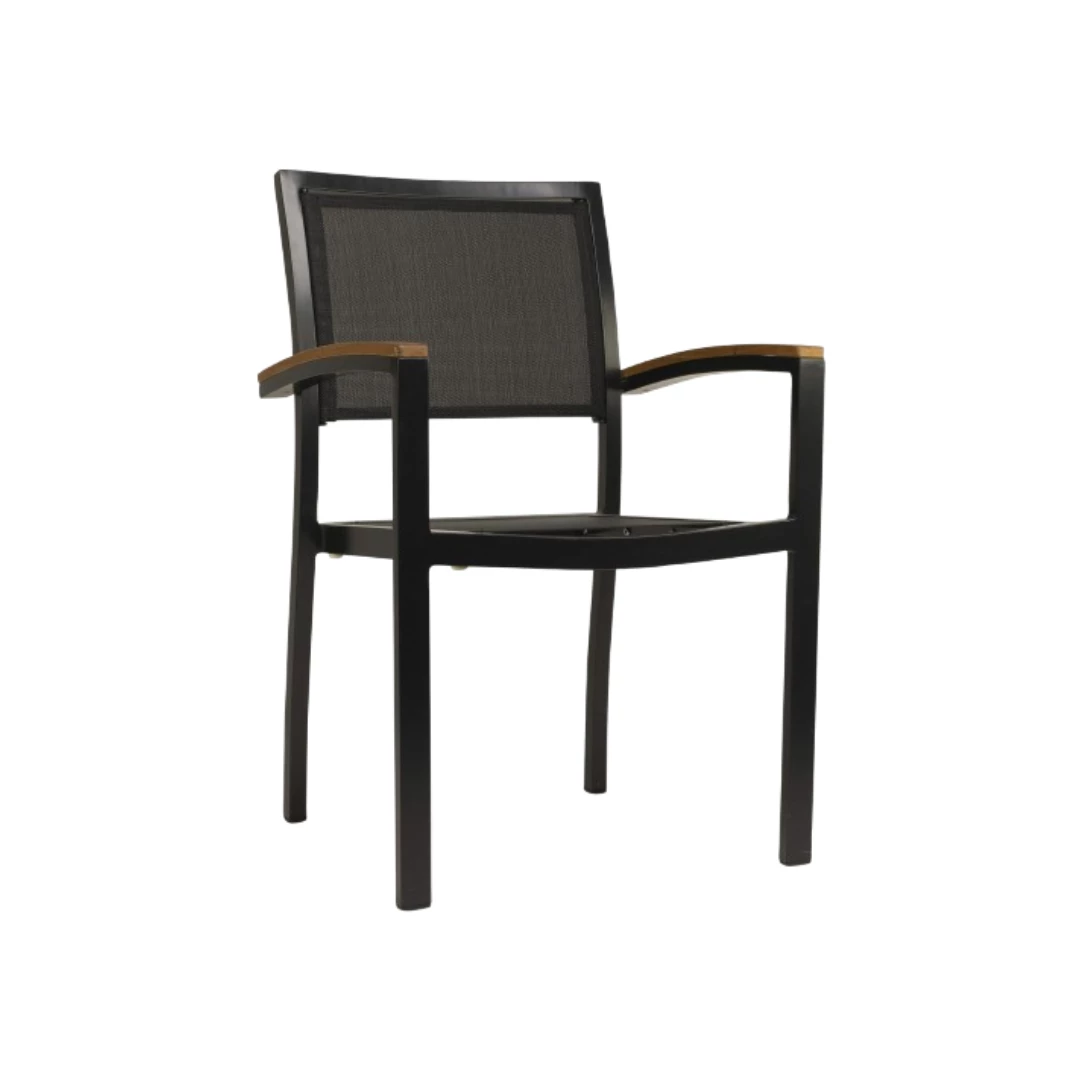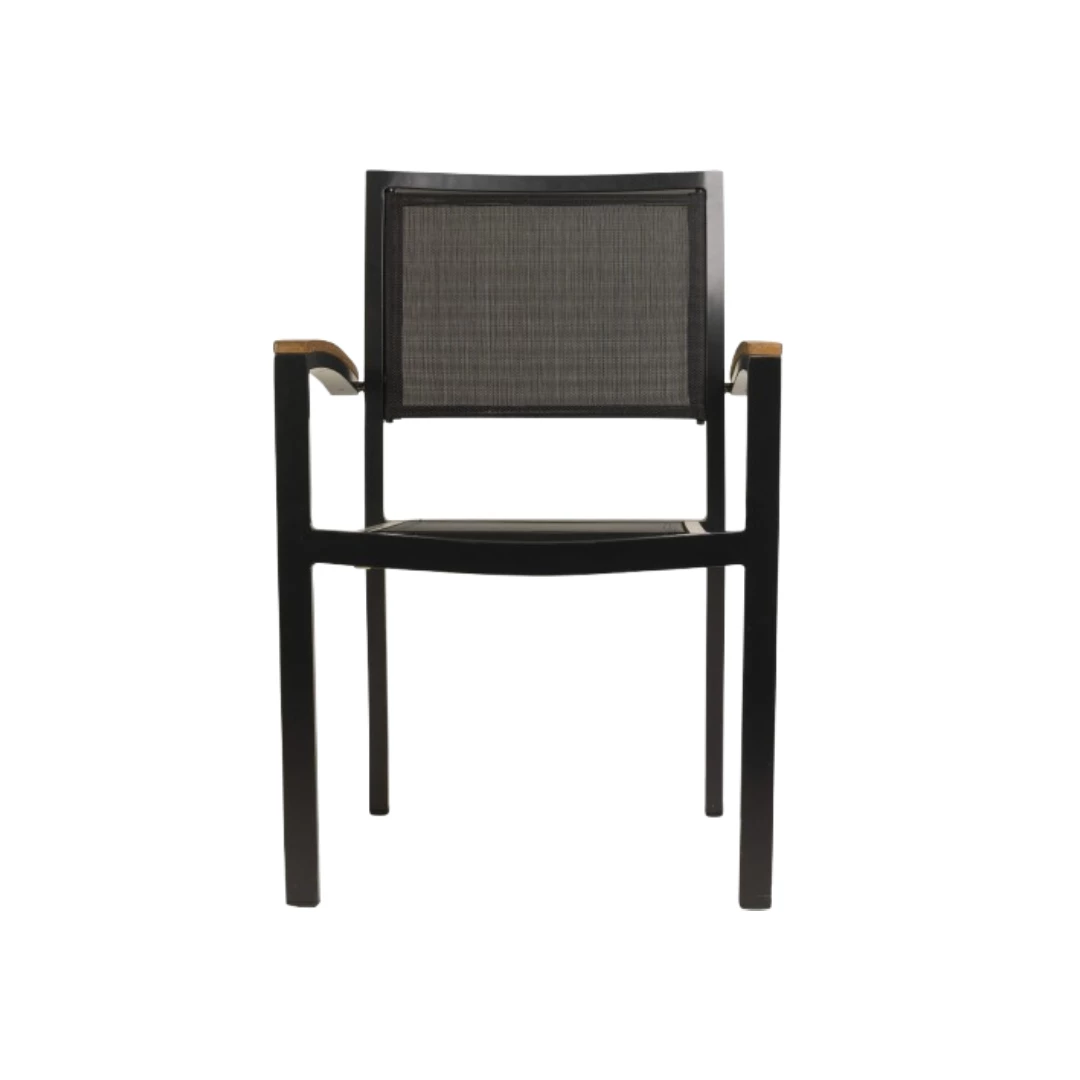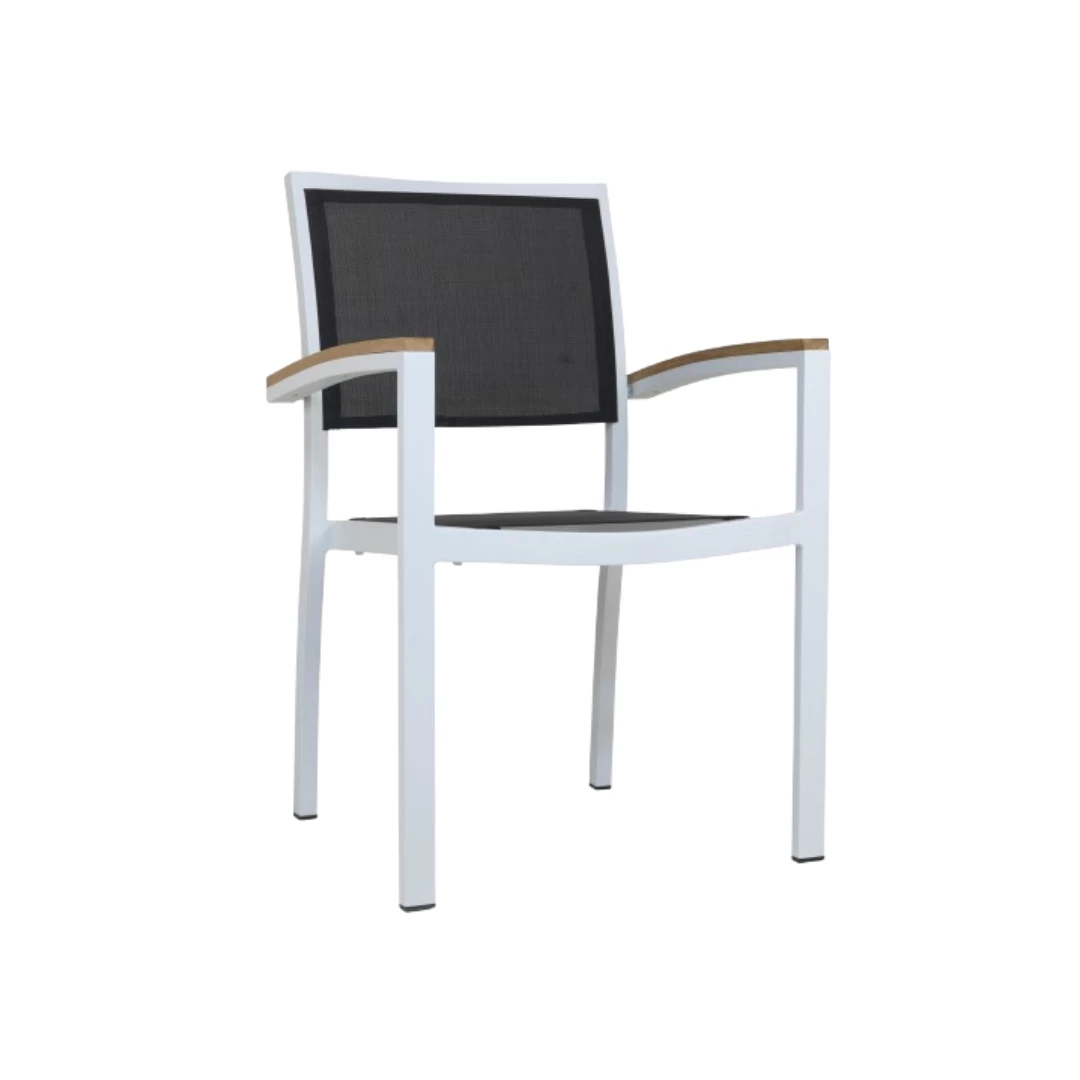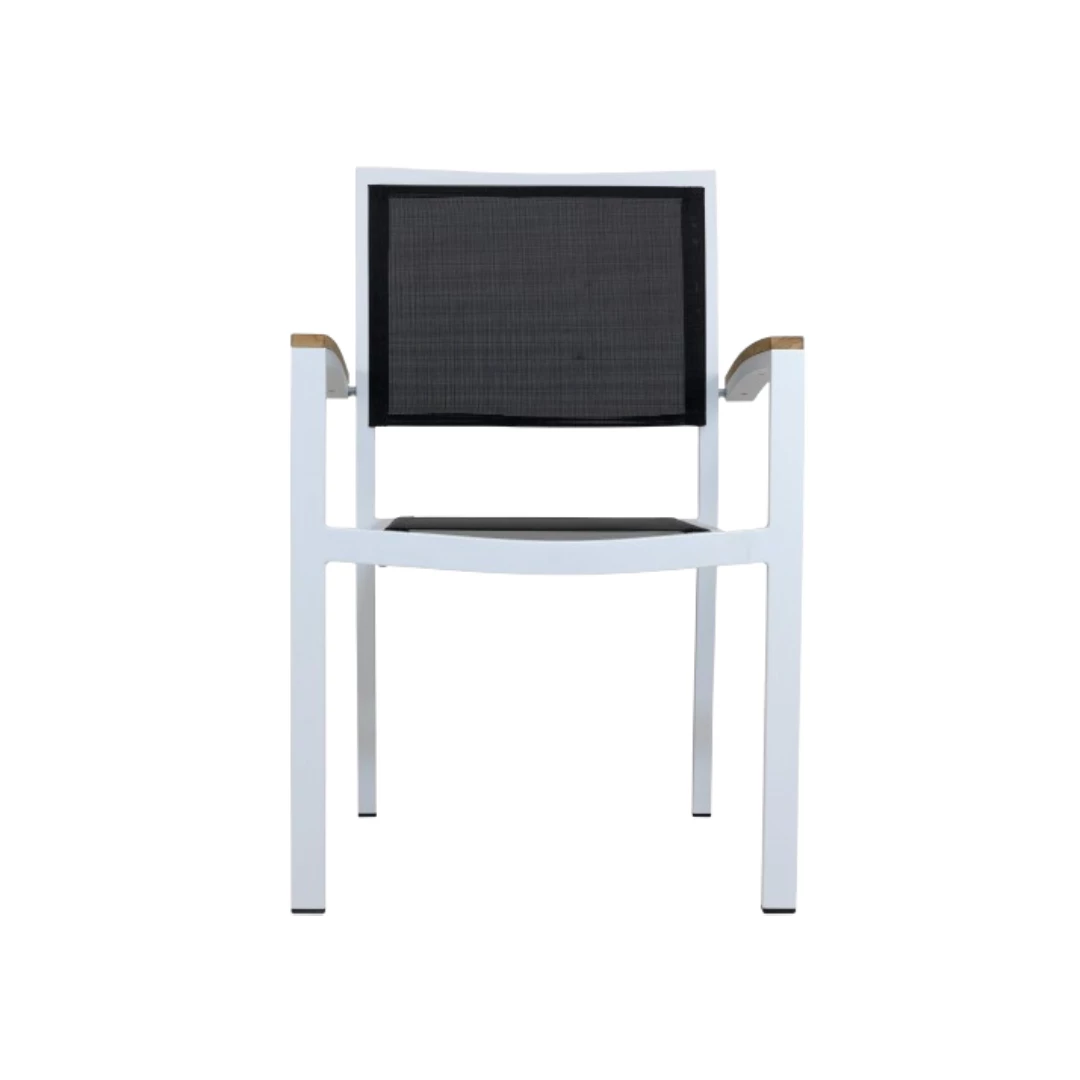
The process of setting up a location begins with analyzing the space, customer flow, and brand concept. Well-chosen fast food furniture must be functional, easy to clean, and suited to the fast pace of service. Materials play a key role, as surfaces resistant to moisture, grease, and mechanical shocks help reduce long-term maintenance costs. Ergonomics is equally important, as tables, chairs, and table tops must provide enhanced comfort without unnecessarily occupying space. Thus, the layout configuration influences both customer turnover and staff efficiency. As for colors and finishes, they should align with the visual identity, creating a cohesive and memorable atmosphere. All these criteria combined form the basis of a decision that directly impacts customer experience and the daily performance of the location.
After establishing the basic criteria, adapting the space to support a large volume of customers is equally important. In high-traffic venues, durability becomes a top priority. Any fast food furniture designed specifically for heavy use, whether indoor or terrace furniture, features a solid structure and reinforced joints to prevent rapid wear. Stability in chairs, tables and table bases contributes not only to safety but also to the perceived quality of the customer experience. Modular design allows quick reconfiguration of the space depending on peak hours or special events. By optimizing circulation paths and service areas, crowding is reduced and the customer experience remains smooth, even during busy periods.
After ensuring durability and functionality, customization becomes the key element that differentiates a space from its competitors. With a wide range of finishes, colors, and shapes available, each brand can express its identity in an authentic way. Custom fast food furniture includes horeca chairs in specific colors and textures, tables adapted to the location’s dimensions, as well as lounge and benches built according to client specifications. Customization is not only aesthetic but also functional, allowing the integration of power outlets, storage spaces, or area dividers. This way, the final concept is not only visually appealing but also efficiently supports daily operations, strengthening the relationship between brand and customer.

| Monday | 09:00 - 17:00 |
| Tuesday | 09:00 - 17:00 |
| Wednesday | 09:00 - 17:00 |
| Thursday | 09:00 - 17:00 |
| Friday | 09:00 - 17:00 |
| Saturday | Closed |
| Sunday | Closed |