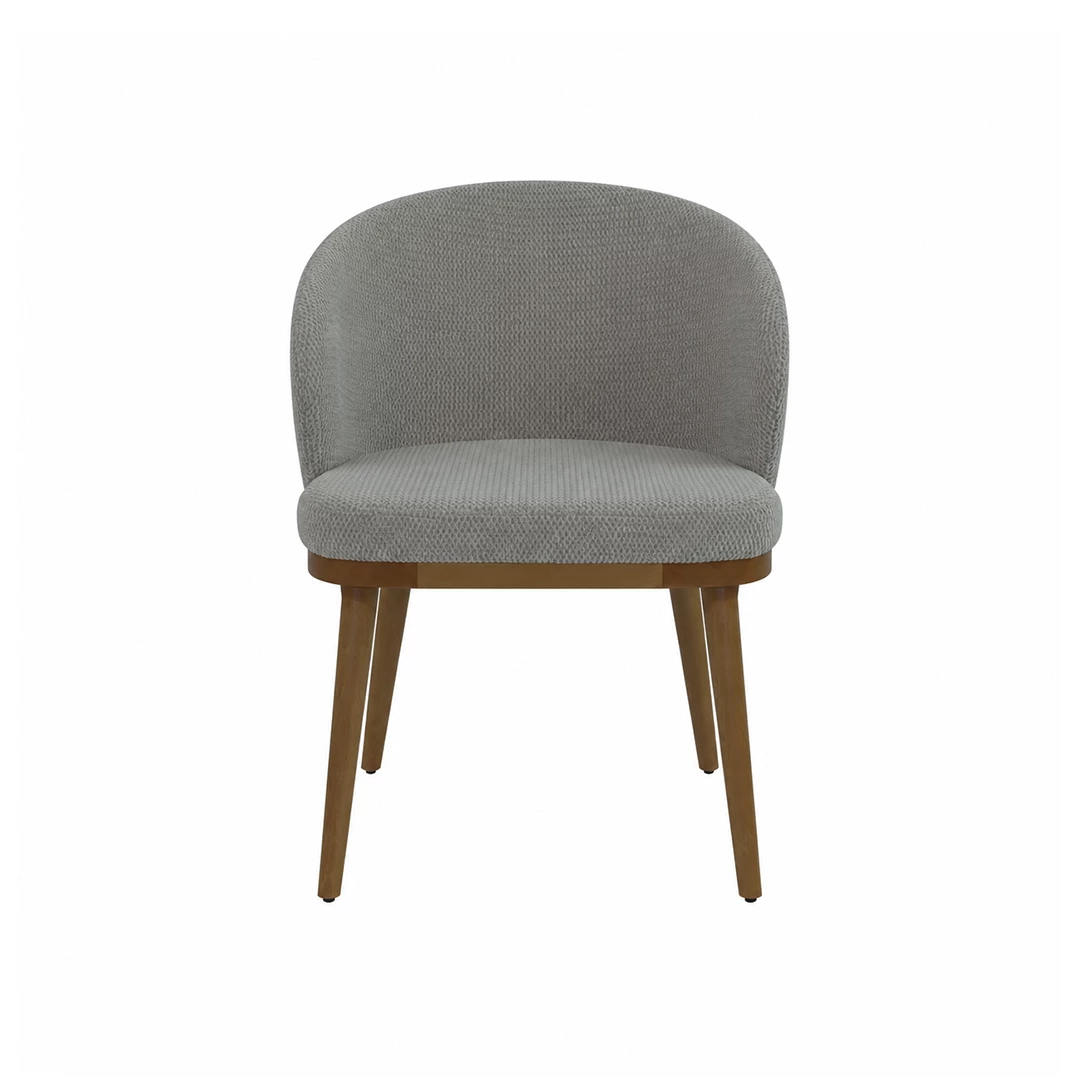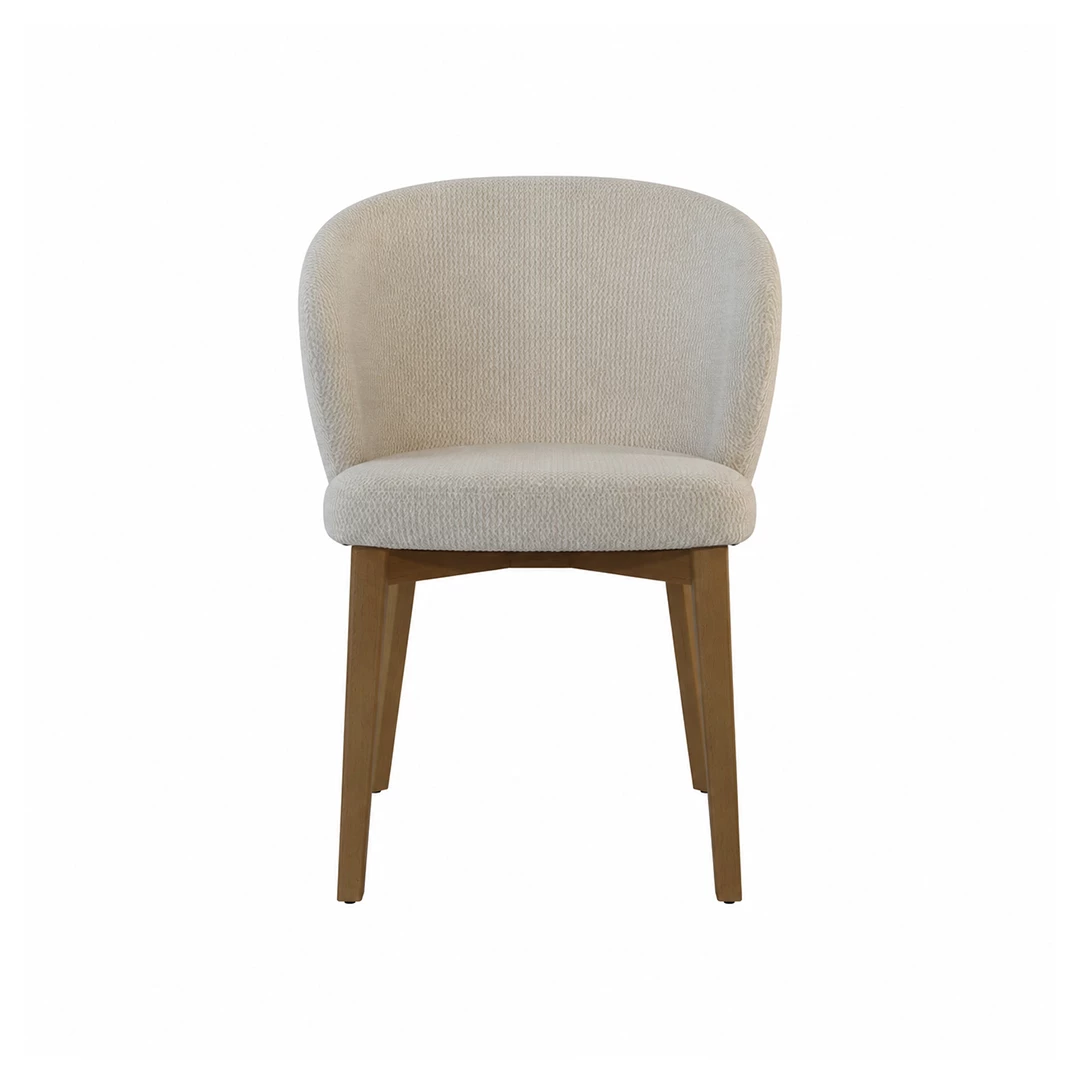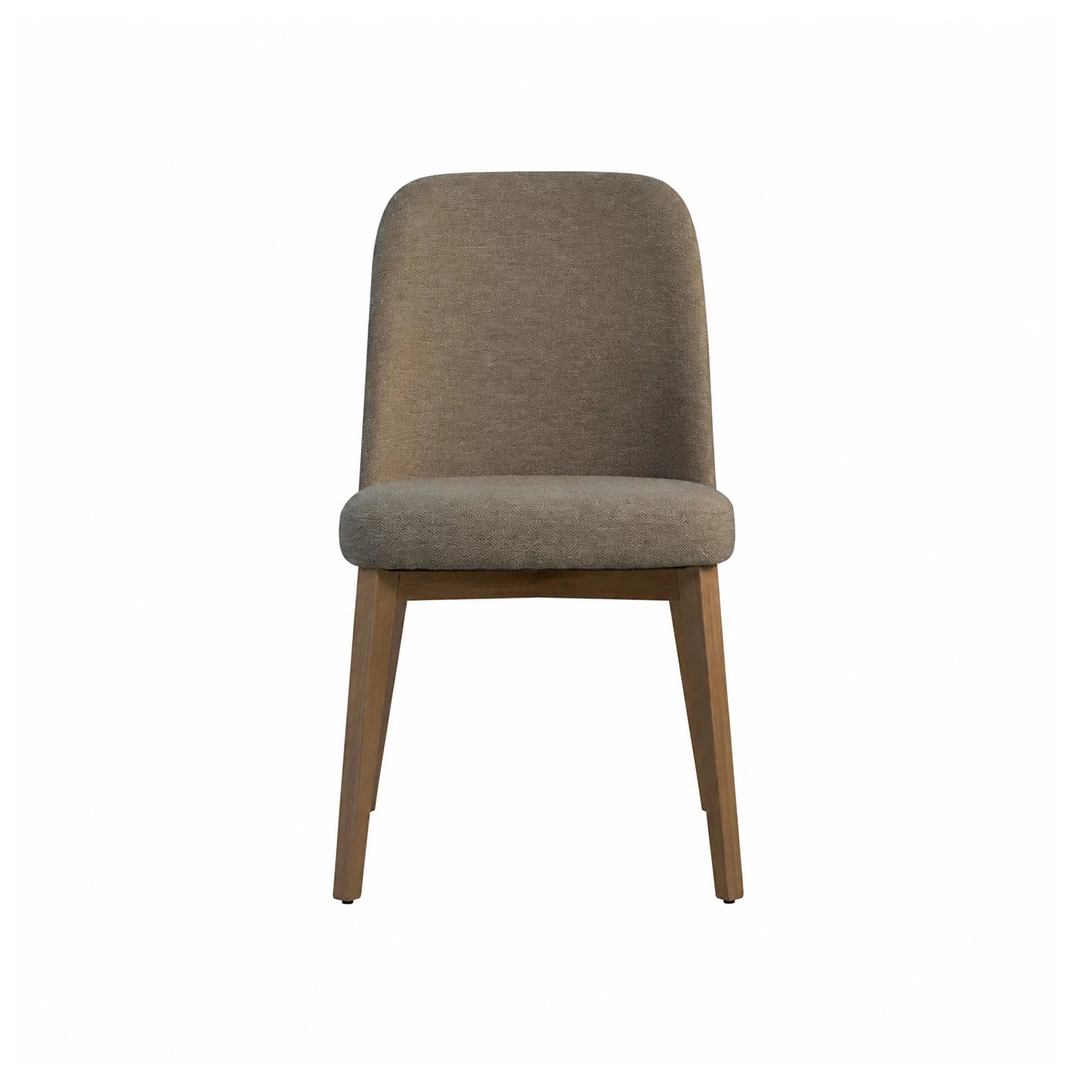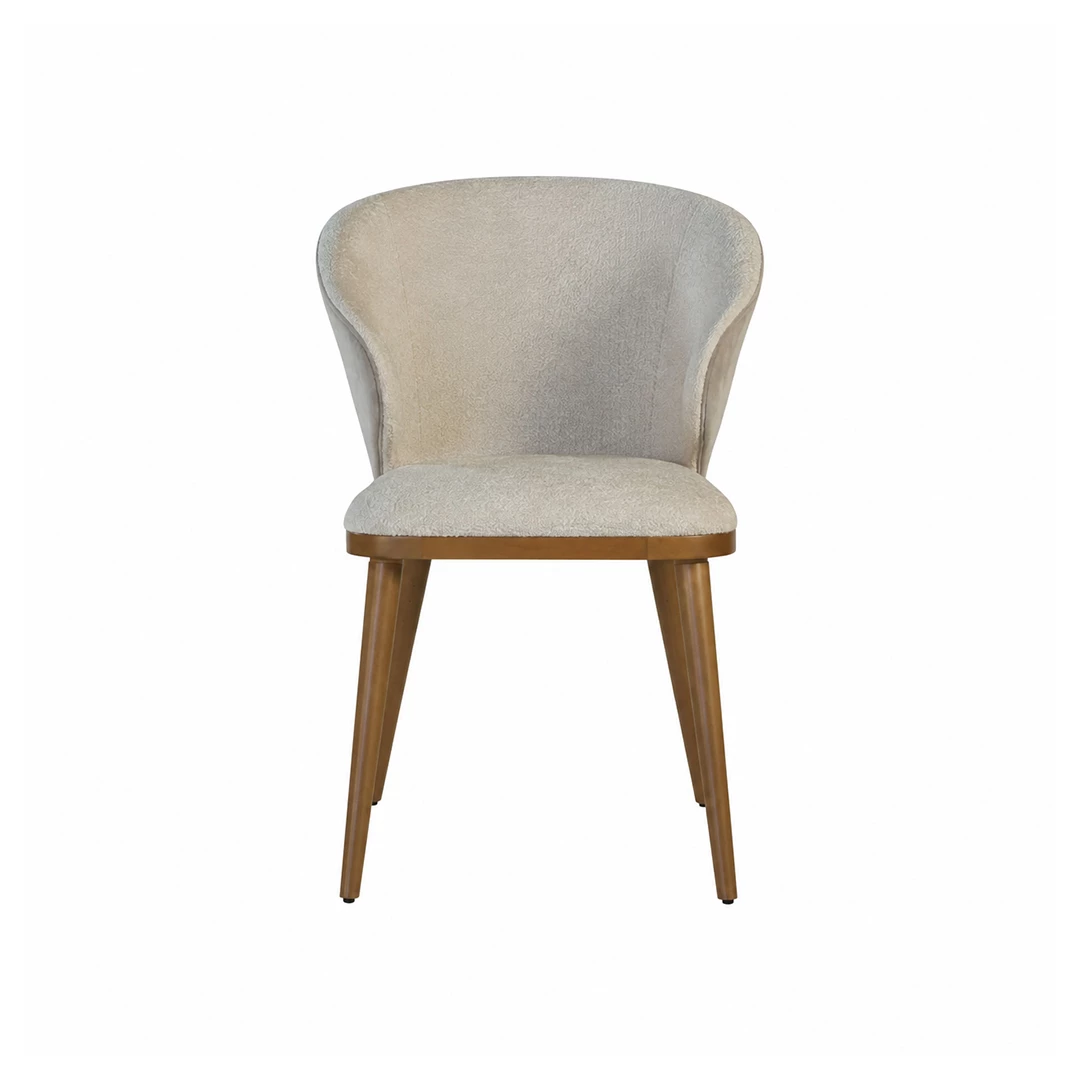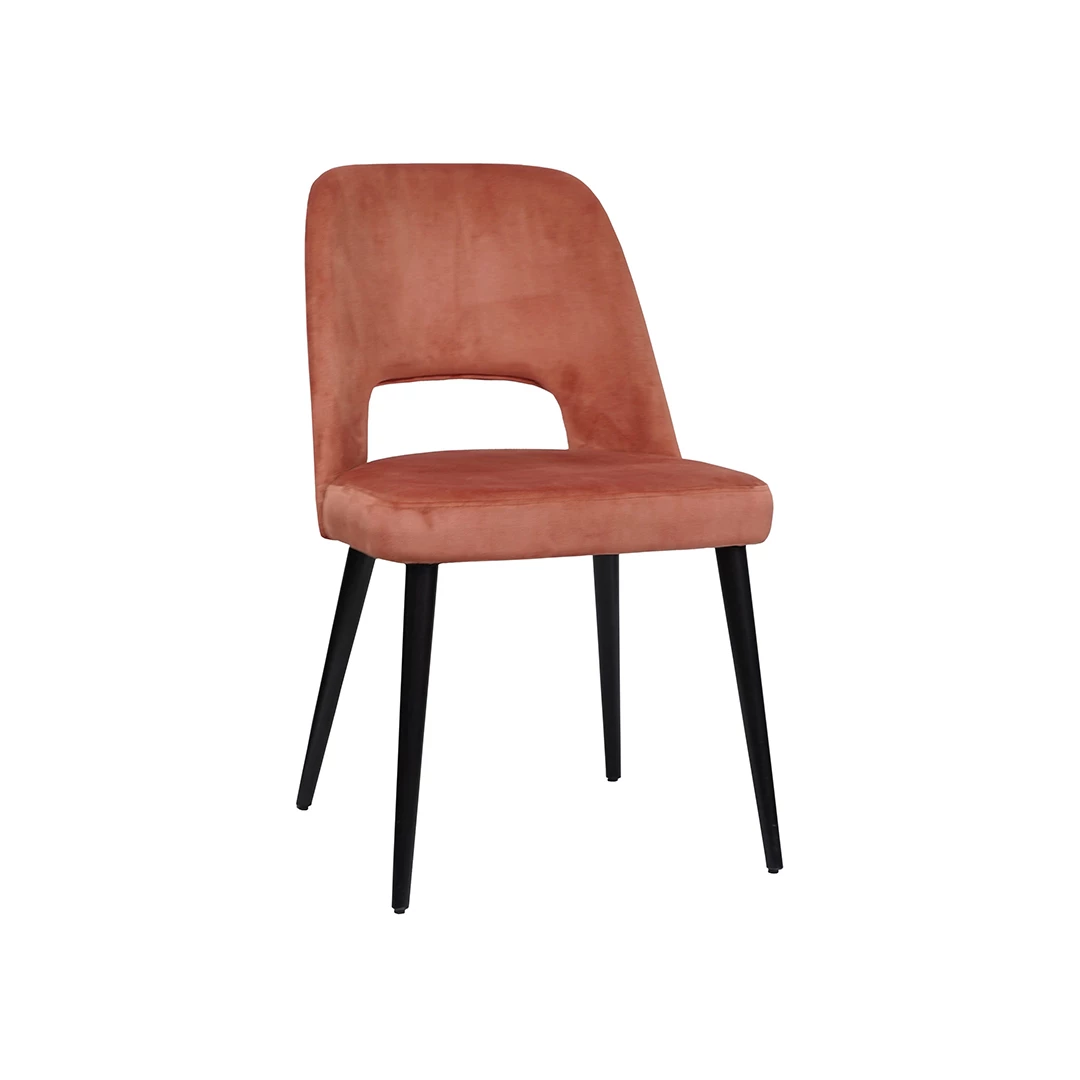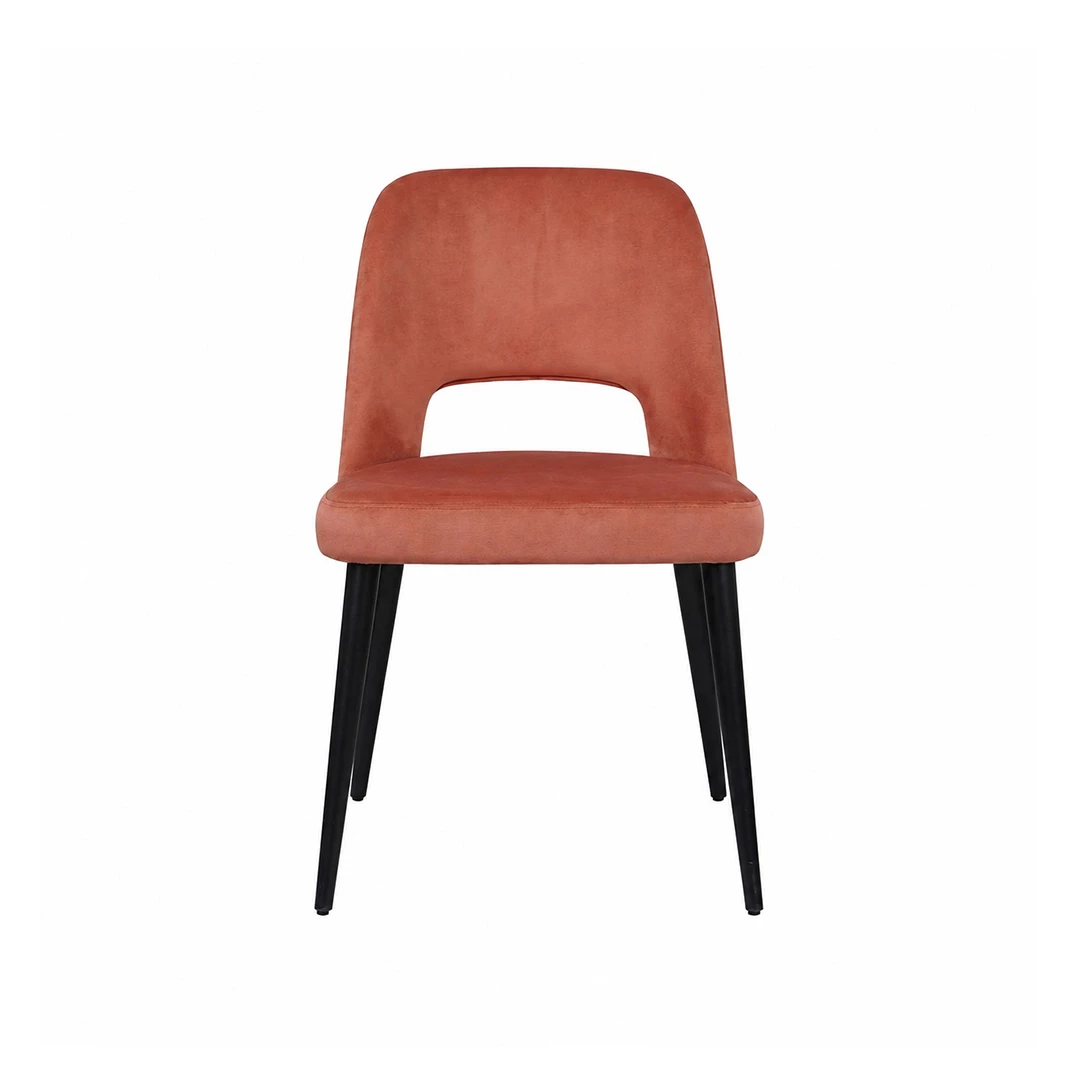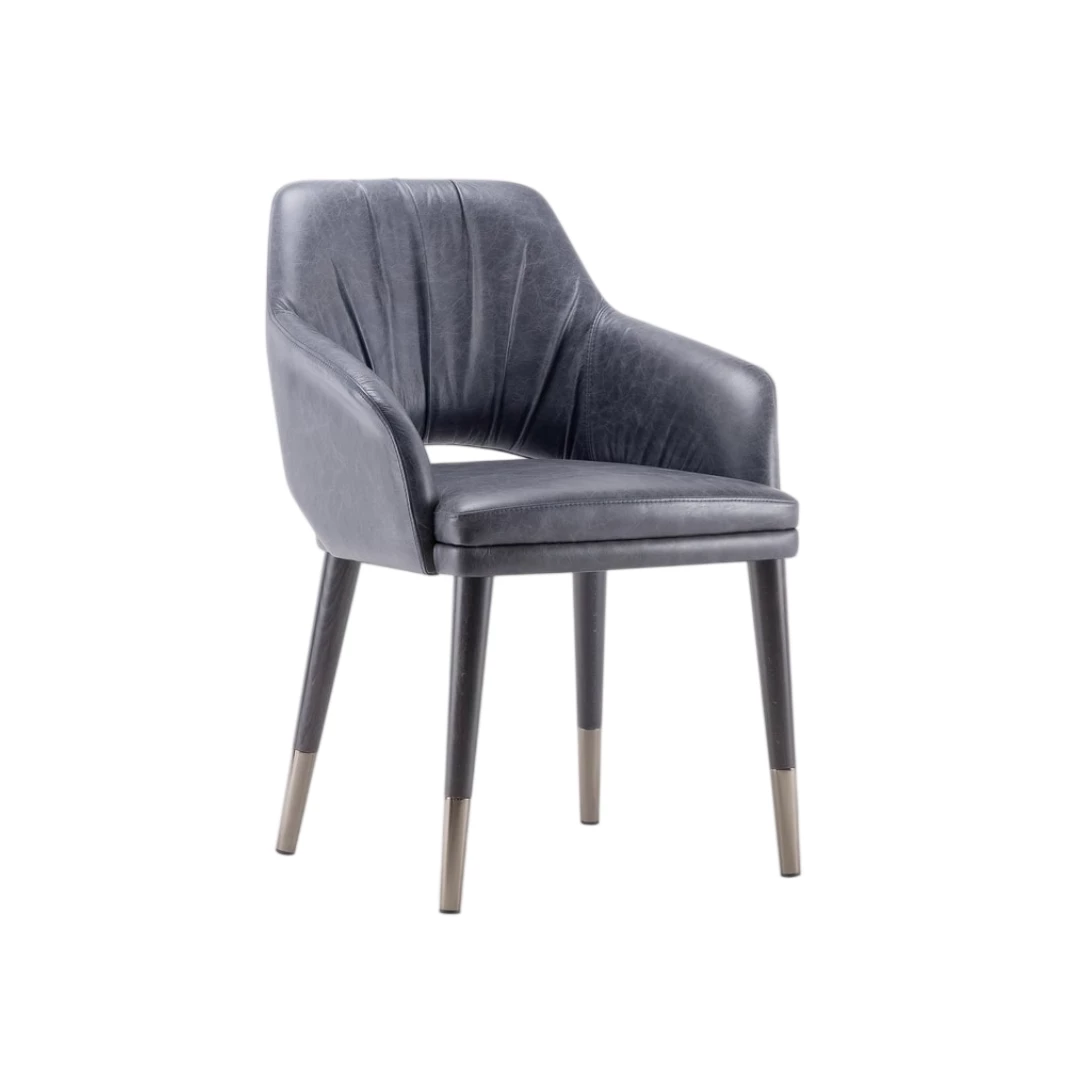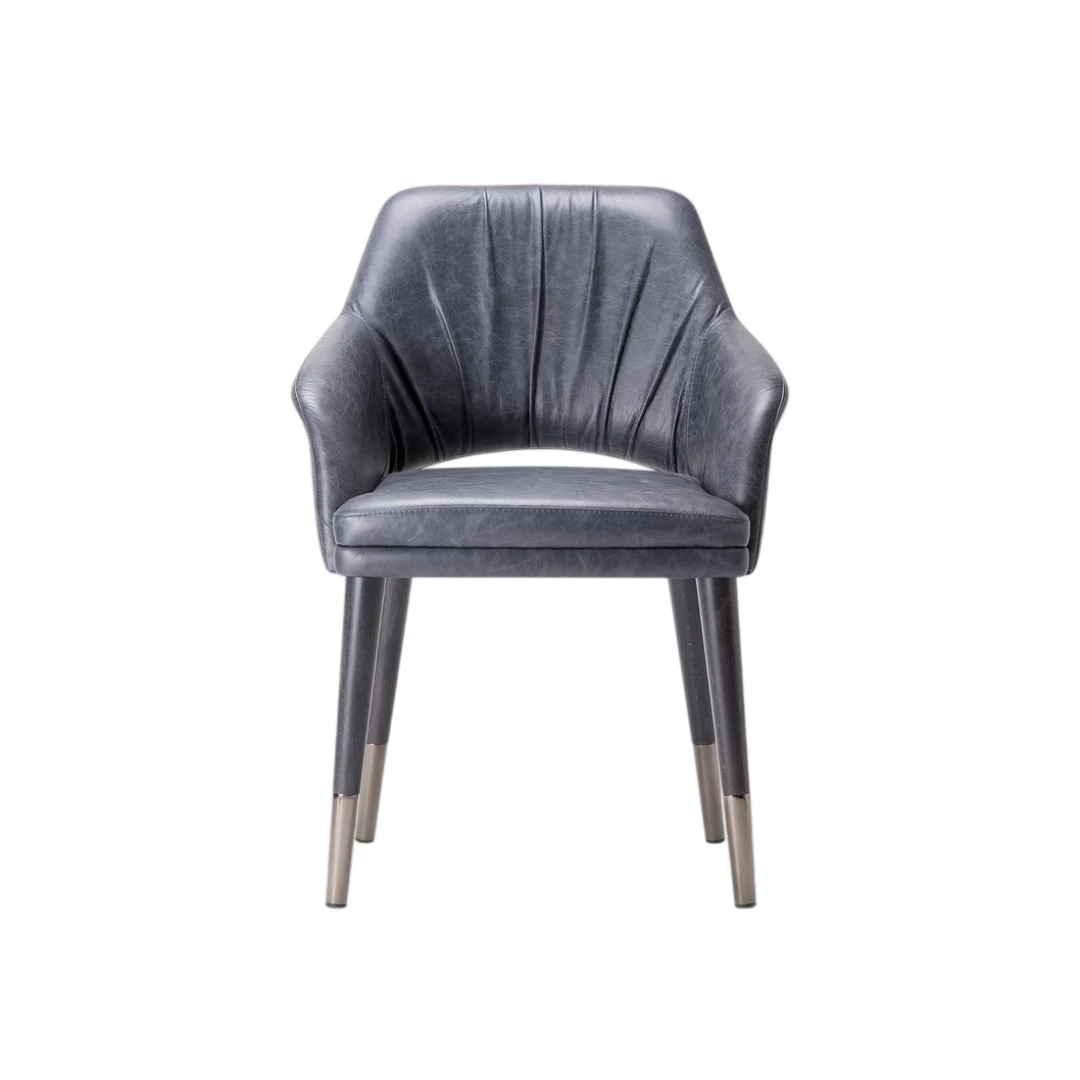
Choosing the right restaurant furniture can transform an ordinary venue into a memorable space capable of attracting and retaining customers. A restaurant’s success depends not only on its menu or service, but also on the comfort and functionality of its furniture. Tables must be stable, made from wear-resistant and easy-to-maintain materials, while chairs should provide optimal support even for longer stays. As with café furniture, proportions are essential: the furniture should not overcrowd the space, but allow smooth movement for both customers and staff. A well-thought-out design supports the venue’s identity and creates a welcoming atmosphere. Investing in high-quality furniture contributes to a positive experience, which in turn leads to recommendations and repeat visits. In this way, furniture becomes a strategic element in the development and consolidation of a successful restaurant.
The interior style of a venue influences the selection of every piece of restaurant furniture, as each detail must support the overall concept. In a modern venue, simple lines and materials such as metal and glass are preferred, while a rustic restaurant will incorporate solid wooden chairs, natural finishes, and traditionally styled tables to create a warm and authentic atmosphere. For an industrial design, combinations of wood and metal along with raw textures shape a contemporary and expressive décor. The choice of upholstery, shapes, and colors must align with the brand identity and target audience. Furniture is not only functional but also a visual tool that communicates the venue’s style and positioning, contributing to a cohesive and well-defined customer experience.
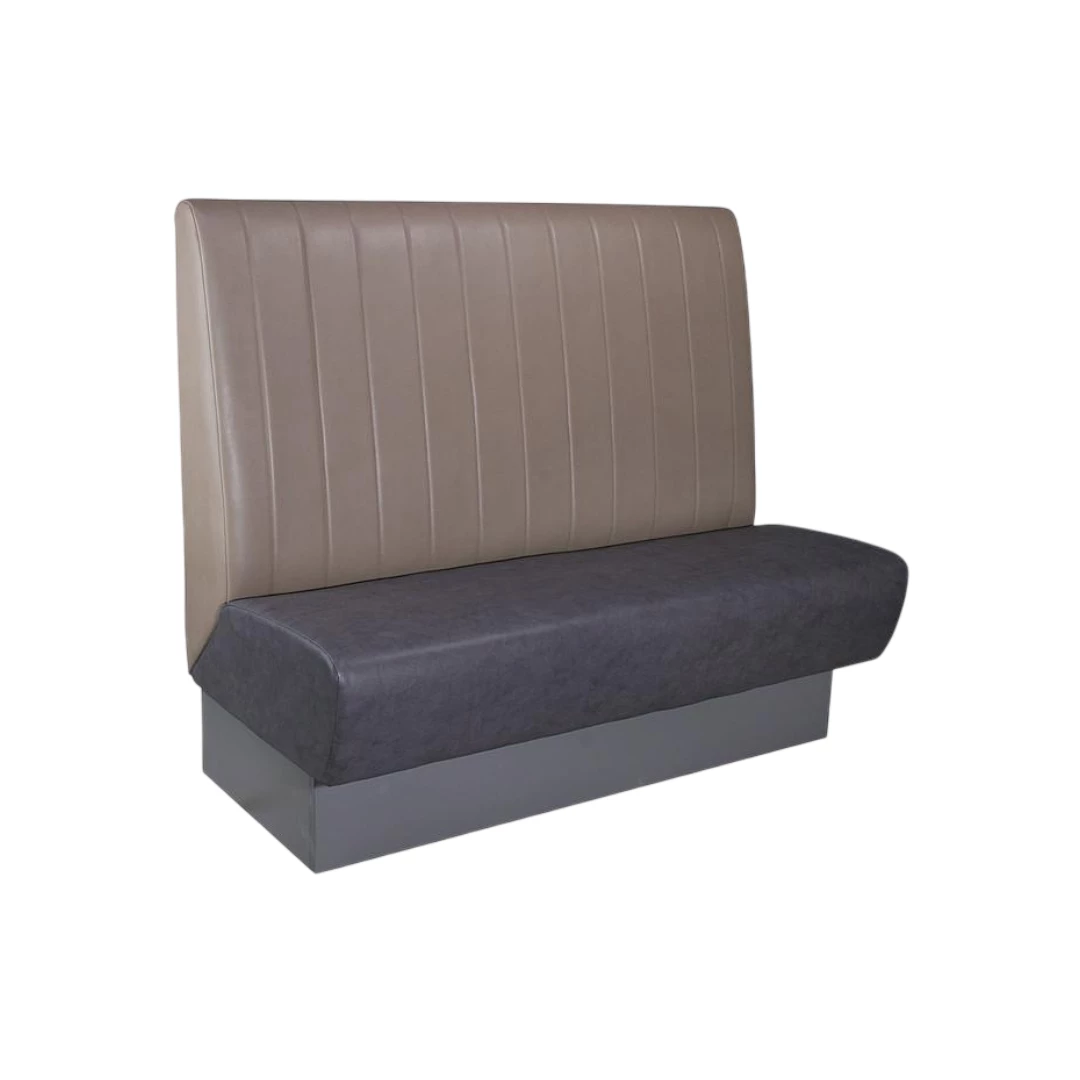
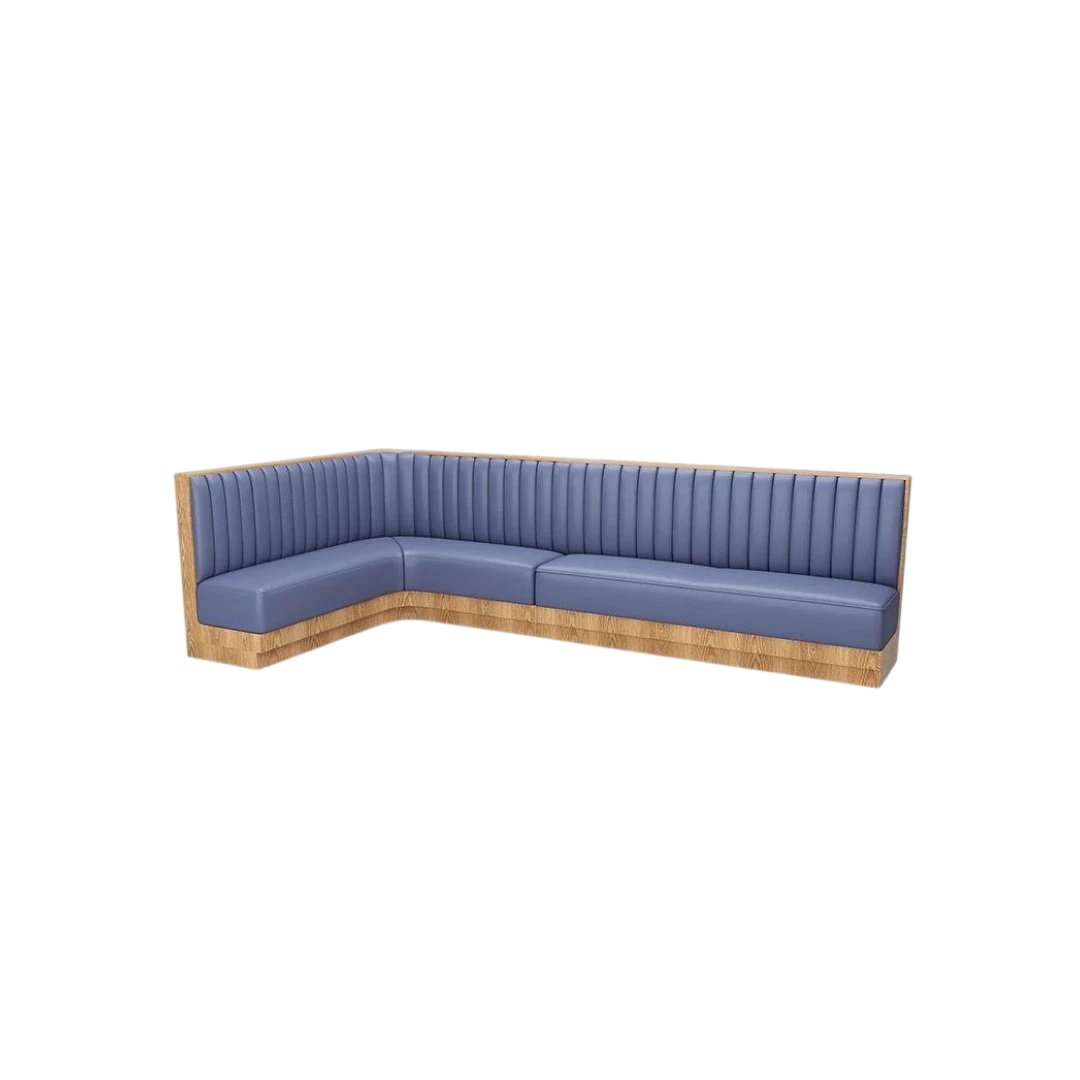
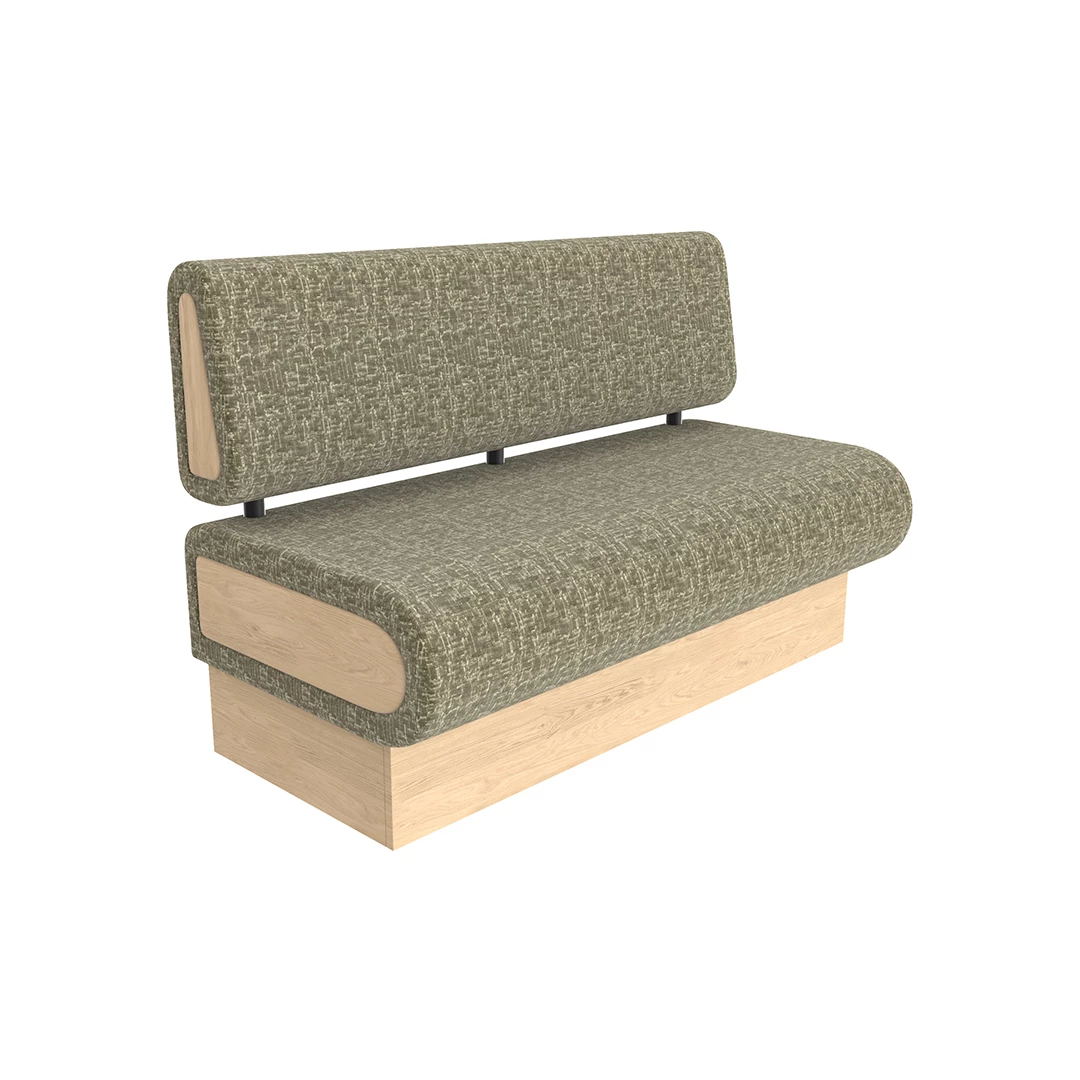
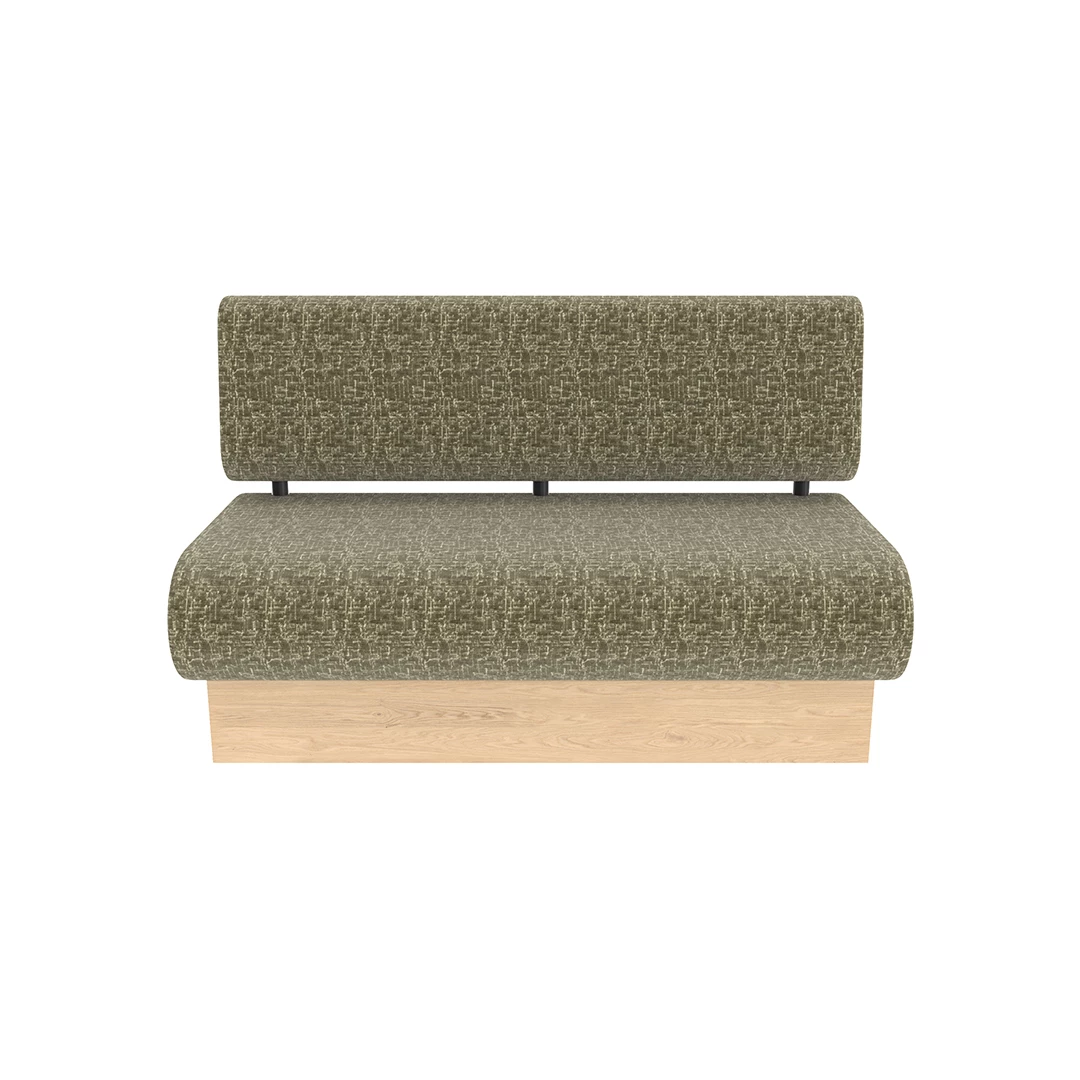
Within a restaurant, dining areas are strategically organized, and the furniture varies depending on the desired experience. Tables for couples are usually smaller and positioned to provide intimacy, complemented by comfortable chairs or discreet benches. For groups, modular or extendable tables are chosen, allowing quick reconfiguration of the space depending on the number of guests. Wall areas can incorporate fixed sofas or upholstered benches, optimizing space and increasing comfort. On the terrace, furniture must be resistant to UV radiation and temperature variations, which is why metal and plastic chairs are often preferred. In conclusion, all restaurant furniture is selected in accordance with customer flow and the specific nature of the venue, ensuring that the entire space is balanced, practical, and adapted to the diverse needs of diners.

| Monday | 09:00 - 17:00 |
| Tuesday | 09:00 - 17:00 |
| Wednesday | 09:00 - 17:00 |
| Thursday | 09:00 - 17:00 |
| Friday | 09:00 - 17:00 |
| Saturday | Closed |
| Sunday | Closed |